
A couple of years ago, my college had arranged a settlement study of a remote village in Himachal Pradesh. Our campsite was a few kilometers away from the village and it was fun because we got to stay in tents instead of hotels and try a lot of local pahadi dishes! The village of Jana is situated 25 km south of Manali. Our class was divided into groups and each group was allotted different aspects of documentation like drawing plans, sections, mapping transects, etc.
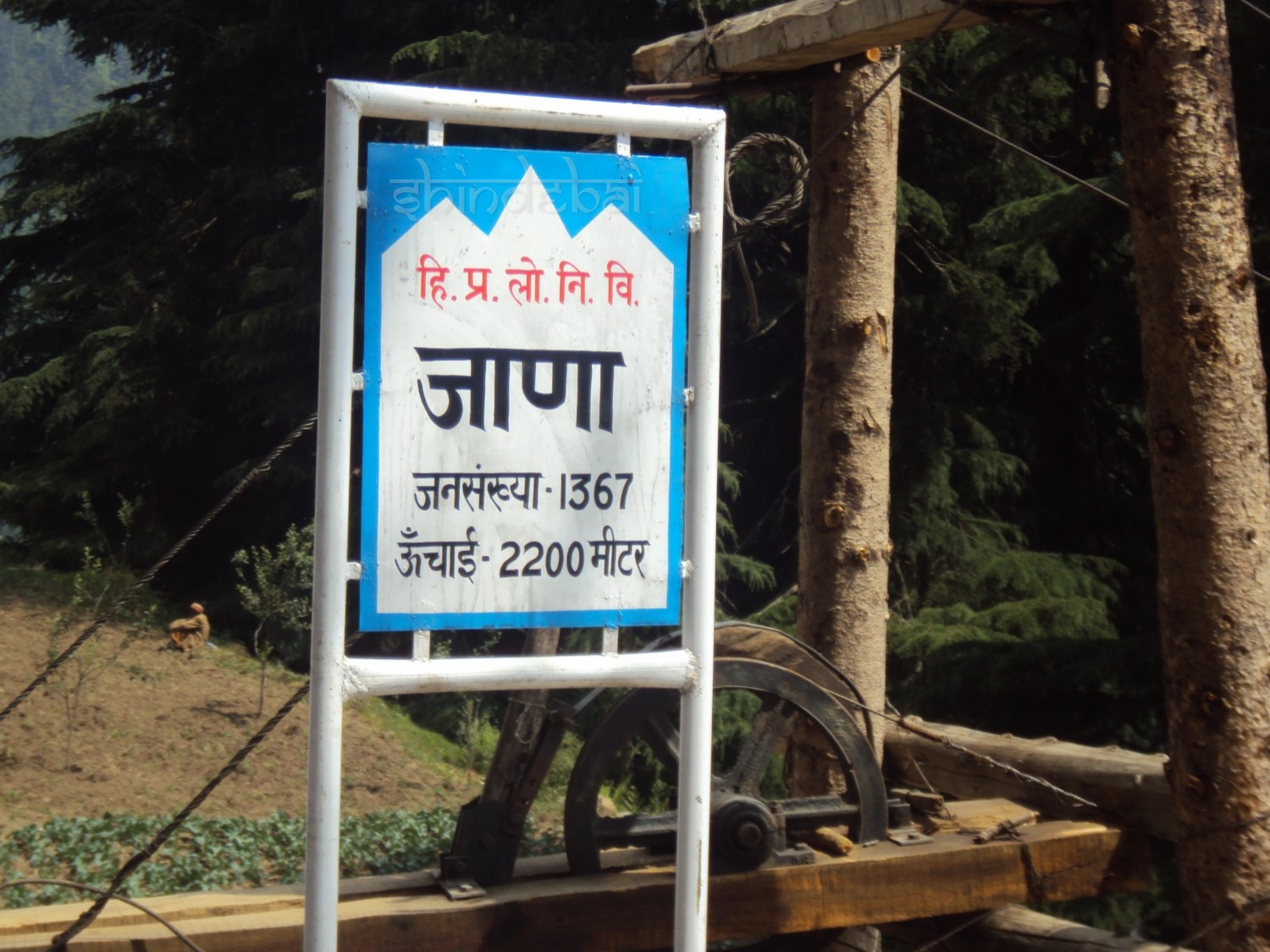
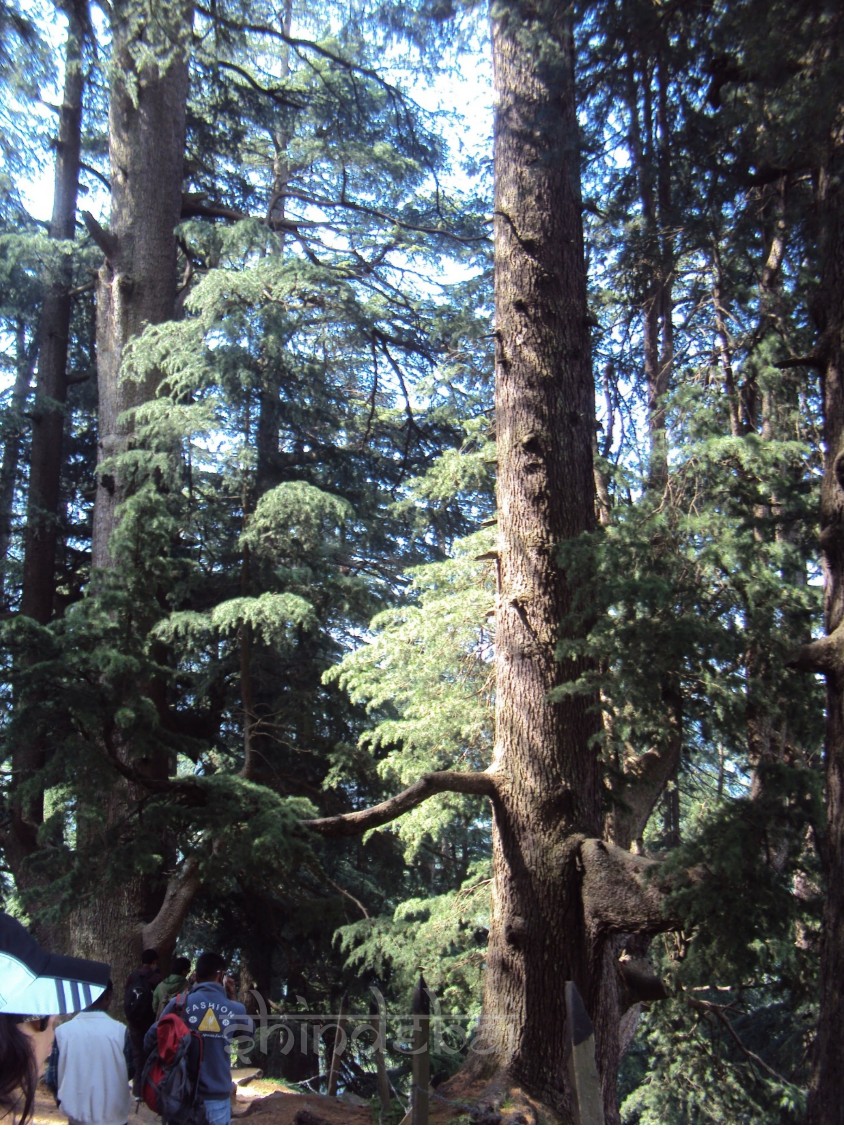
There is no physical road to the village, the village of Jana is purely a pedestrian village. Hence, we had to climb down every morning after breakfast fully equipped with sketchbooks, pens, pads, measuring tapes and cameras! The hike was around 10 minutes but was pleasant as we walked through huge deodar (Cedrus deodara) trees which were 15-20m high and had a trunk base of about 3-5m. This also happened to be the sacred tree of Jana.
Walking through these ancient woods felt intimidating, as though they saw everything and they knew everything.
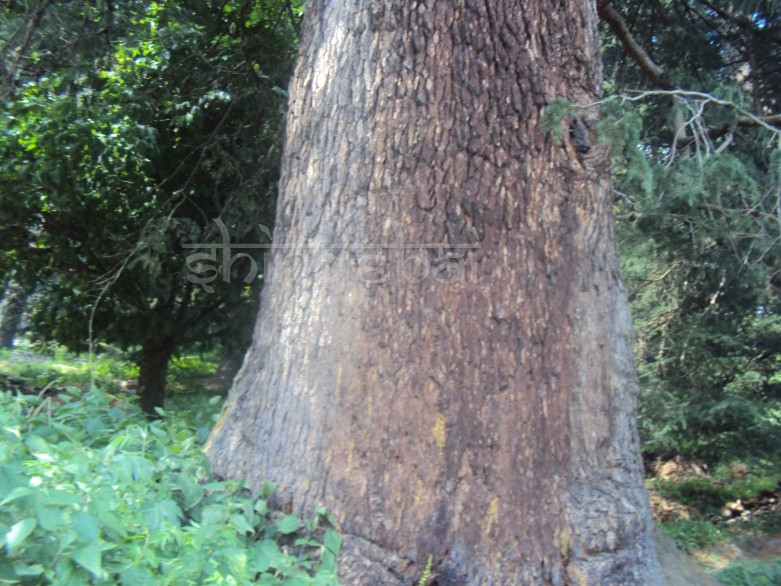
Apart from the deodar tree, other trees found here are the Sal tree, the salwood is high in demand but is expensive, and the Pine tree- all of these are used for timber wood.

The houses here are situated on contours, but there is a social hierarchy to it. The Brahmins reside on the topmost contours, whereas the farmers and workers on the lower ones.
My group had to map two main horizontal transects – which meant documenting houses on the pathway running along the higher contour, and the pathway on the lower contours.

To the north, a small pathway running along the contour acted as the main road and took you to the Jeevnarayan temple and upper-level houses ahead.

Me sketching along the north pathway
To the south, a stepped pathway takes you down to the lower contours.
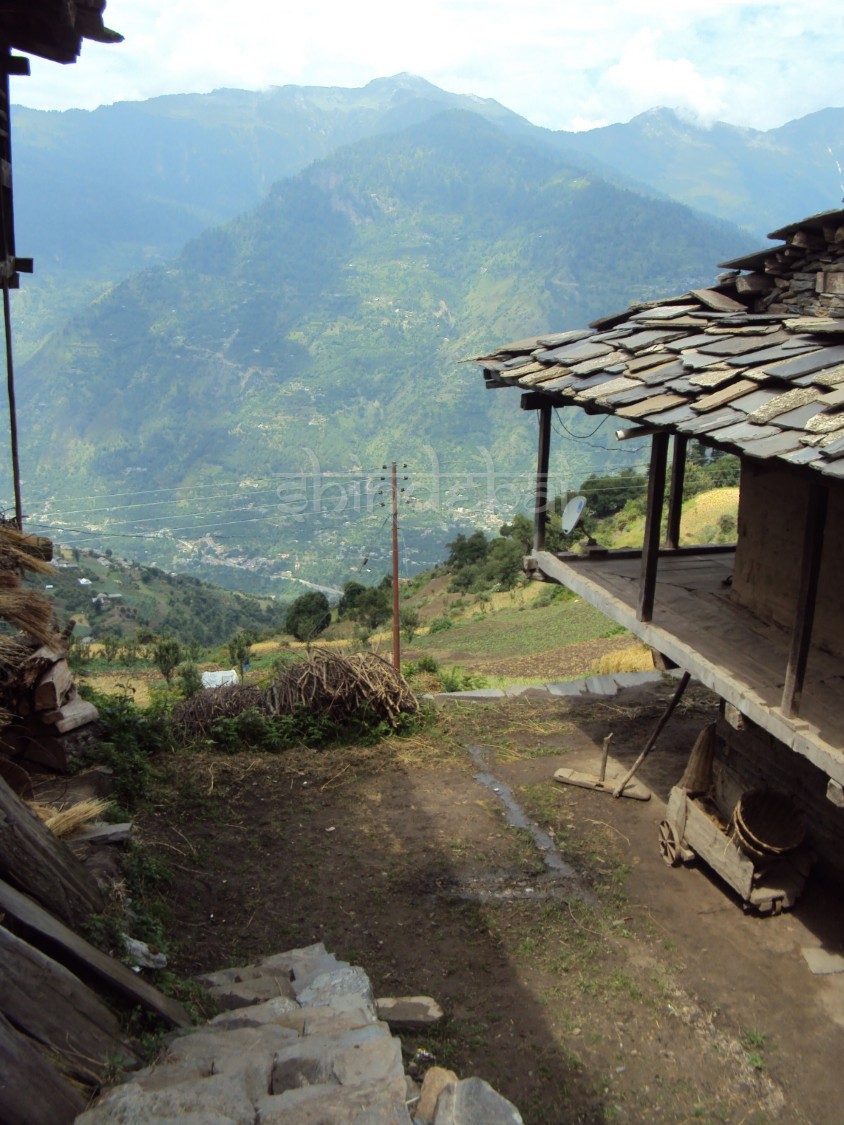
To the east, you see houses, farms, valley, and the horizon lined with snow-topped mountain peaks- the view is breathtaking.
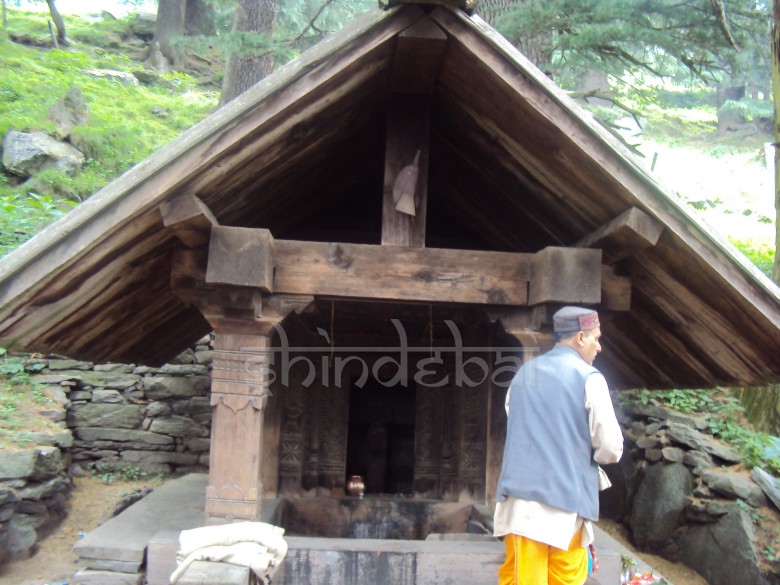
The locals believe in the power of the Jeevnarayan God and hence all new construction works and important decisions are undertaken after consulting with the Gods. The entrance doors to any religious places have a low lintel level so that you bow your head in front of God before you enter the holy sanctum.
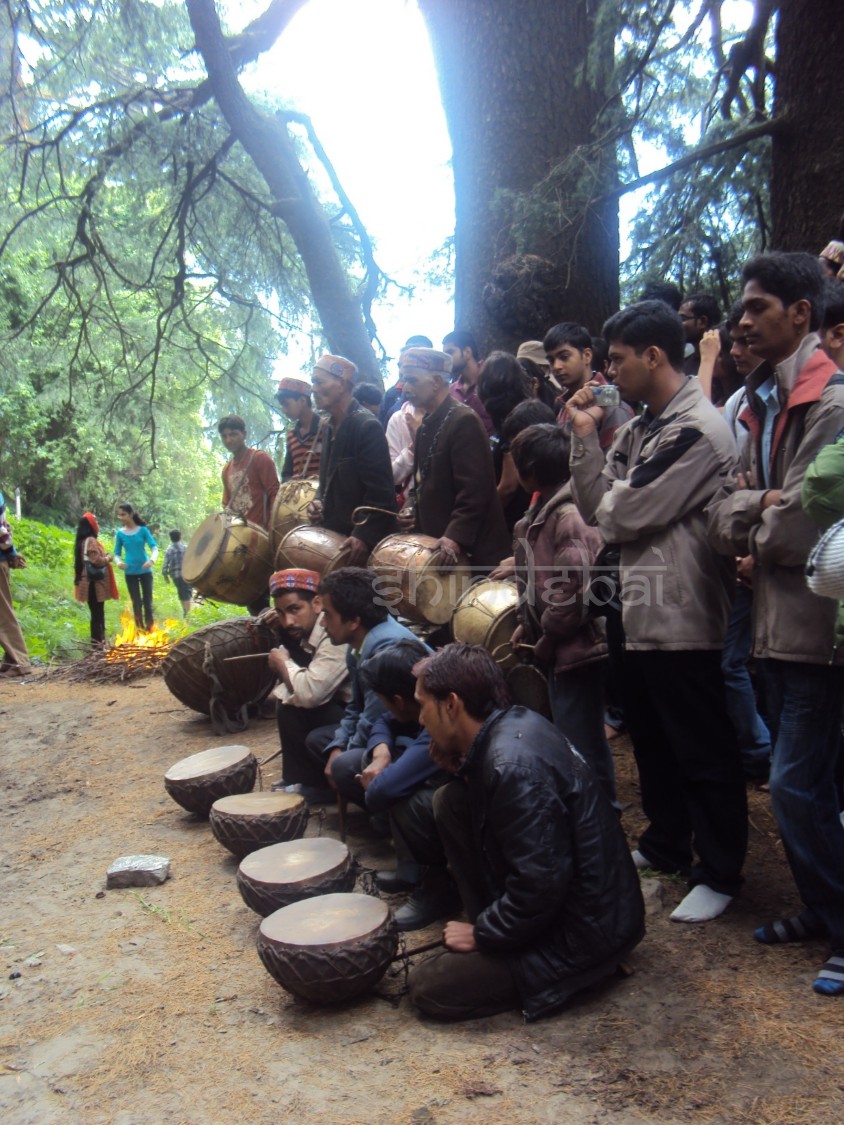
I really love the Himachali cap that the locals wear which is round, has some unique patterns on it and is colorful. It is usually worn for special events like marriages, sacred rituals, etc. but also to protect the head from the cold winds.
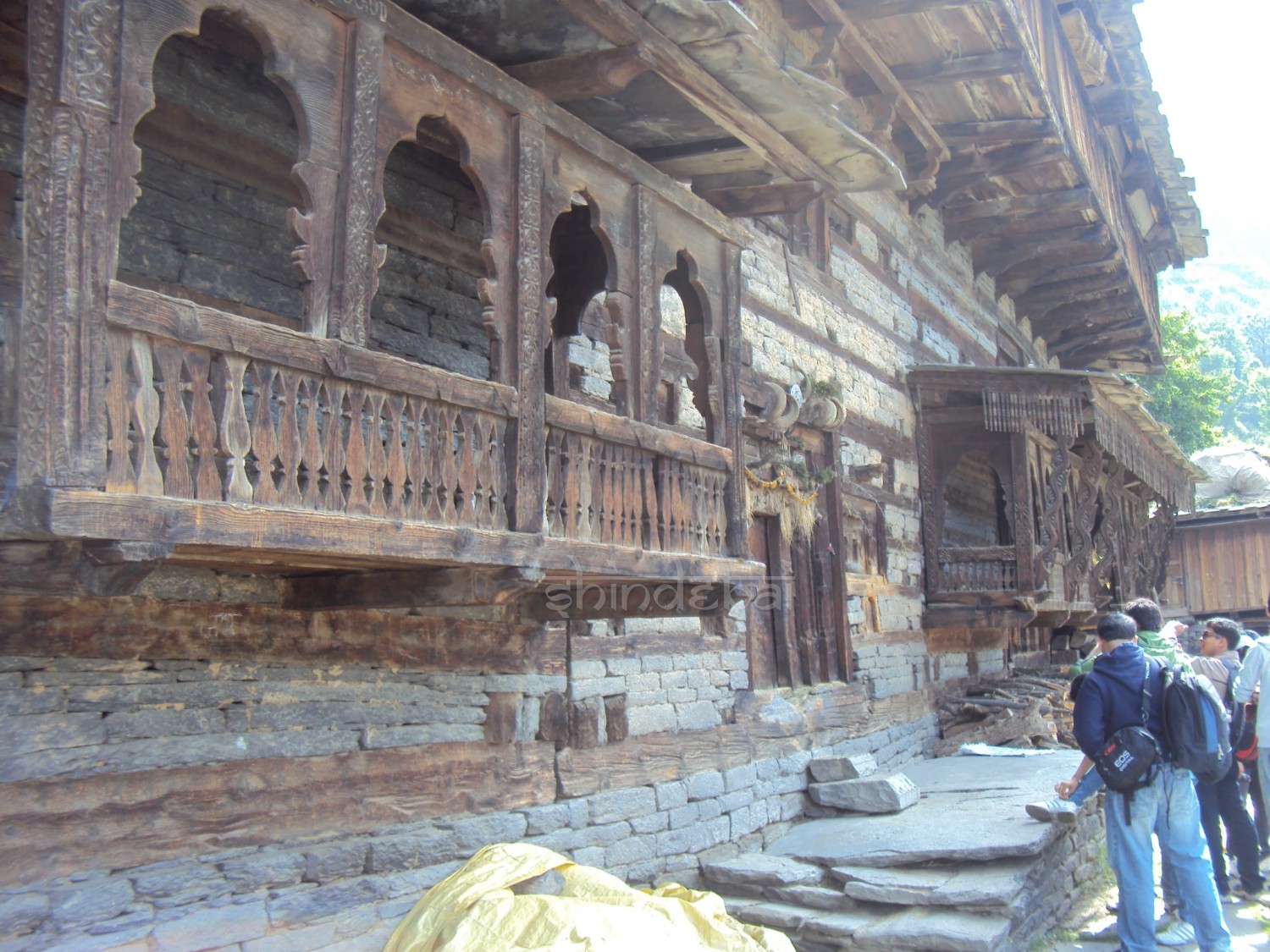
Once we started documenting the houses, we noticed the unique construction technique used here- the katth-kuni construction technique. The walls are made of interlocking stone and wood courses, and the roof made of slate, these materials keep the interiors warm. As the village comes under seismic zone 4, the interlocking joints keep the house intact during tremors and the slates on the roof fall down outside instead of coming crashing down inside.

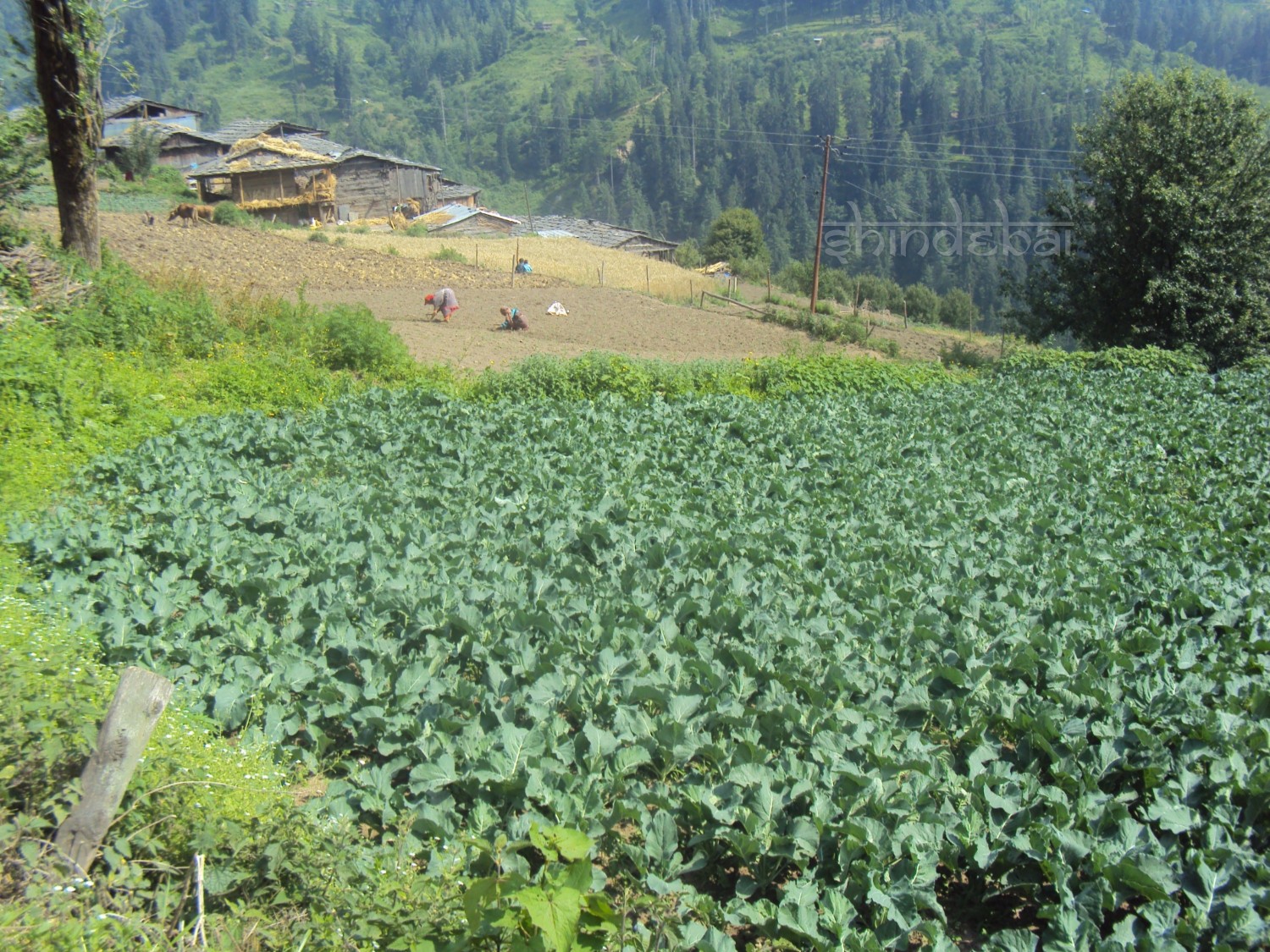
Majority of the locals are farmers and therefore a lot of farmlands are visible on the lower levels. Vegetables like cabbage, wheat, barley, tomatoes, cauliflower, etc. are grown here, most of which is sold in Manali and other markets.

Jana has it’s own primary and middle school. Both the schools are government run. Besides this, Jana also has its own small clinic.
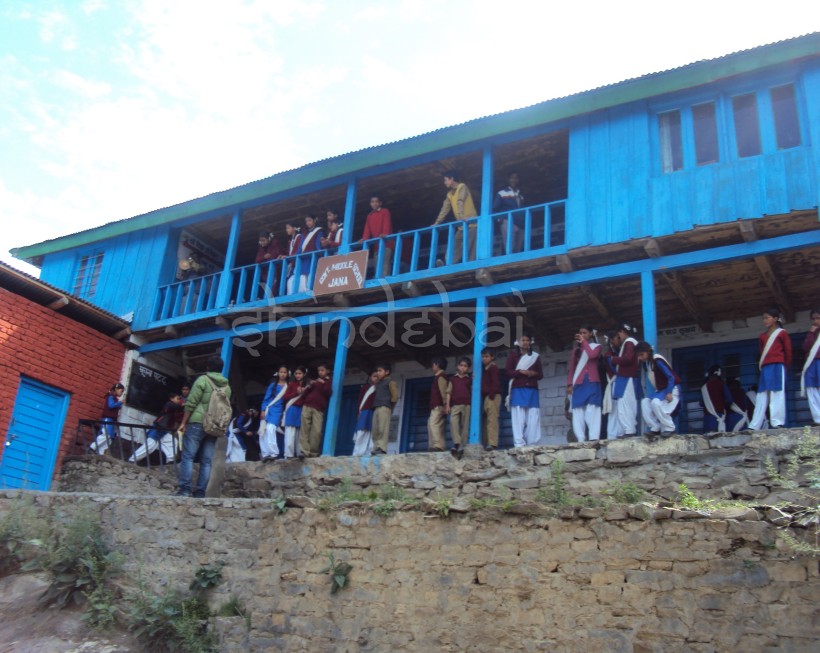
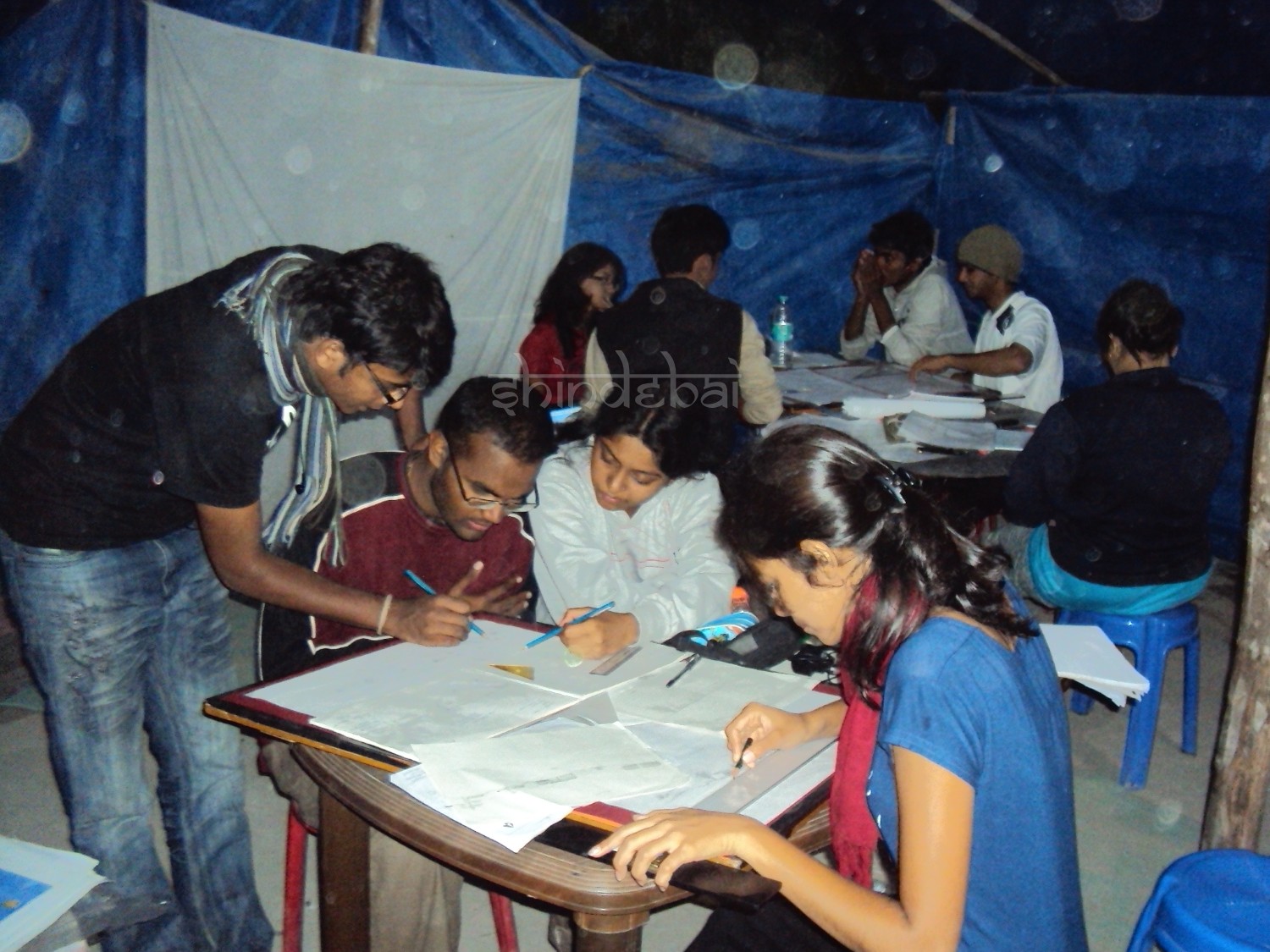
Every evening we returned to our campsite, ate, worked on the day’s documentation, and slept, thinking of returning to Jana again the next day.
The villagers were mostly reserved, but some approached us boldly and even helped in our documentation by giving information. On one such occasion, a villager invited us to his house for a cup of tea and showed us photos from back in the day when he was a travel guide. He had spent his entire life living in this area. This makes me think how privileged we are of traveling so much, of living in different cities, affording to pay for higher education, for an expensive lifestyle, and for what? To be happy? To be content? And here talking to the locals you realize that they’ve found happiness in this simple lifestyle. They find their joys in little things and that’s what matters.
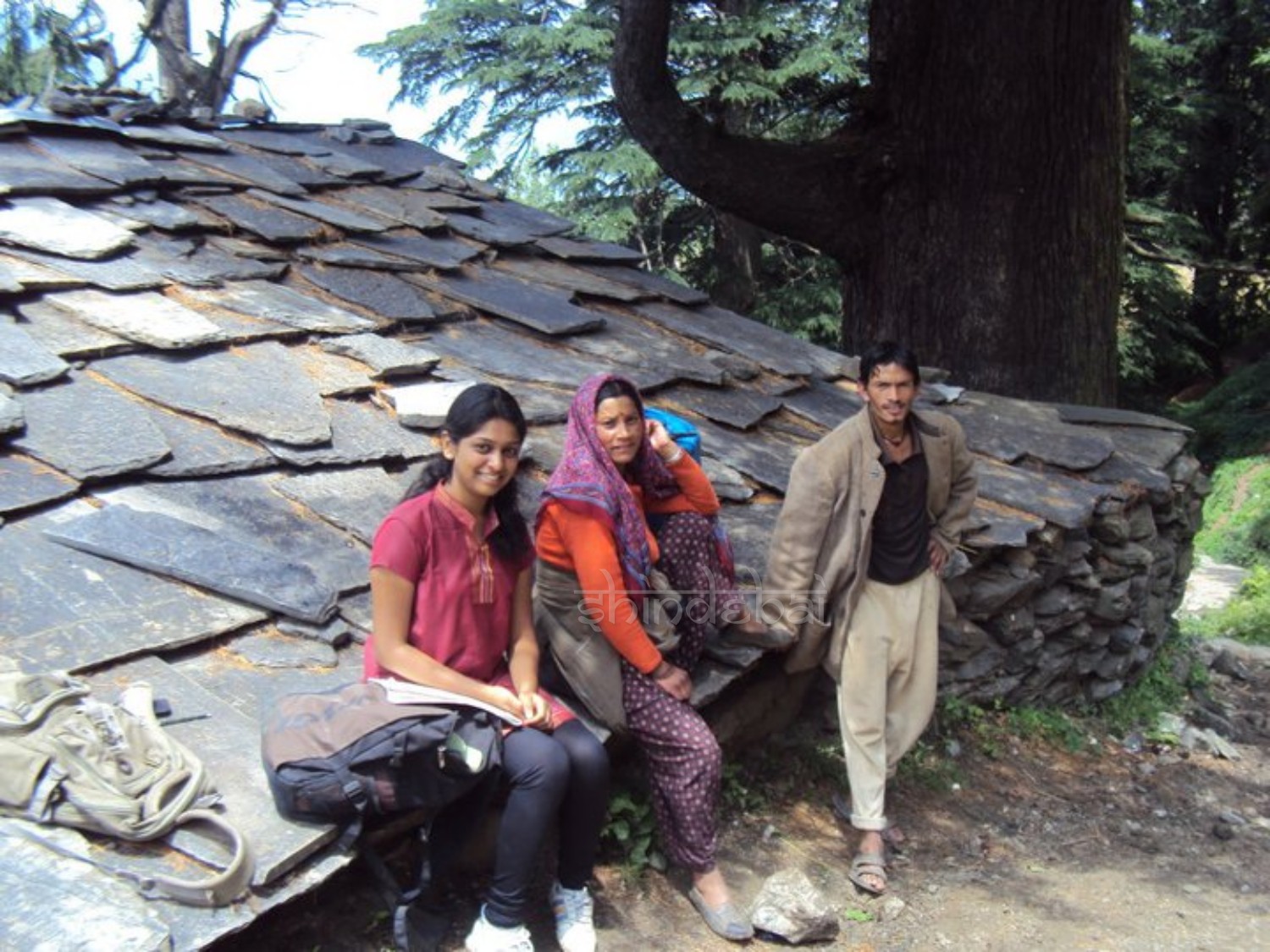
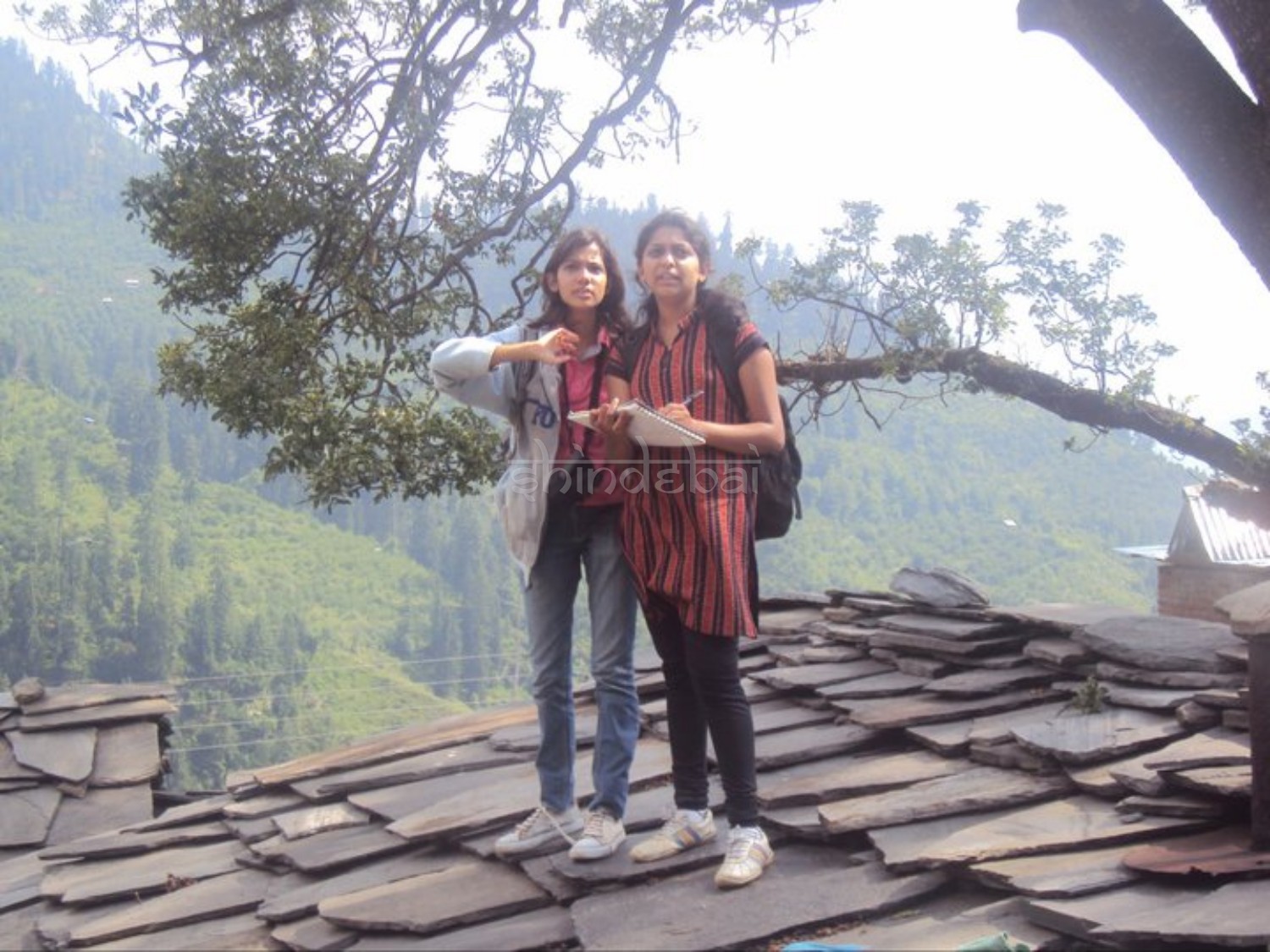
Himachal Pradesh is filled with inspiration- the trees keep you grounded and true to your roots, whereas the mountains aspire you to aim higher and take on new challenges! It is hard to stay away from something so pure and beautiful. So make an effort to be more grateful and to find happiness in little things.
“..ever since happiness heard your name, it has been running through the streets trying to find you.” – Hafiz
Stay tuned to see some sketches!
I would love your comments on this one, so feel free to interact!
 Shreyasee Shinde
Great article and superb message!
LikeLiked by 1 person
Thank you, Kapil 🙂
LikeLike
Hey, myself aneri an architecture student of Anant national university,in final year, doing thesis on designing a protype of eco village in jana, so I need help for collecting data for my documentation, kindly requesting to share you documentation for reference base, thanking you for betterment reply
LikeLike
Sorry I haven’t been active in months! Hope you found what you were looking for! If you still want any help, connect with me on LinkedIn or Instagram – shreyasee_shinde 🙂
LikeLike